The Crucial Overview to Sprinkler Repair: Just How It Works and Its Benefits
Automatic sprinkler are essential for keeping healthy landscapes. Understanding their features and components is essential for effective repair and maintenance. Typical problems frequently arise, bring about irregular water circulation and boosted expenses. This guide provides understandings into troubleshooting and routine maintenance, making sure peak performance. Nonetheless, knowing when to deal with repairs by yourself and when to seek expert aid can be challenging. Discovering these aspects can cause better results for both yards and spending plans.
Recognizing the Fundamentals of Lawn Sprinkler Equipments
Automatic sprinkler are crucial components of modern-day landscaping, supplying reliable watering for gardens and lawns. These systems include various parts, including pipes, valves, and sprinkler heads, all designed to provide water equally across a designated area. The main function of a lawn sprinkler is to automate the watering process, ensuring plants receive adequate moisture without manual effort.
Different sorts of sprinkler systems exist, such as drip irrigation, which delivers water directly to the plant roots, and spray systems, which distribute water over a bigger location. Each type has its advantages, catering to particular landscaping needs. The setup of a lawn sprinkler typically entails mindful planning to ensure suitable coverage and efficiency. In addition, contemporary systems can be geared up with sensors and timers to conserve water and adjust to altering weather. Comprehending these fundamentals is vital for any person curious about maintaining a healthy, lively landscape.
Usual Lawn Sprinkler Issues and Their Solutions
Maintaining a well-functioning watering system can occasionally be difficult, as various concerns might occur that impact its performance. One usual issue is uneven water circulation, usually brought on by clogged up nozzles or misaligned lawn sprinkler heads. Regular examination and cleaning can remedy this concern. Another regular concern is leaks, which generally happen at valves or joints. Recognizing the source promptly can stop water waste and costly fixings. Sprinklers that stop working to transform on may suggest electrical problems, such as faulty electrical wiring or a broken timer. Replacing and checking connections harmed parts typically settles this issue. In addition, low tide pressure can cause inadequate protection, often coming from blockages in the system. Attending to these clogs will bring back appropriate feature. By recognizing these common issues and executing their remedies, property owners can ensure their lawn sprinkler systems run efficiently and successfully, promoting much healthier landscapes.
Devices and Products Needed for Lawn Sprinkler Repair
A range of important tools and products are essential for reliable sprinkler fixing. A shovel is important for digging up sprinkler lines, while a wrench is needed for tightening up or loosening up installations. Pliers can assist in gripping and controling little components. An energy blade will certainly work for cutting with old pipelines or tubing.
In enhancement to tools, specific materials are essential for repairs. PVC pipelines and installations are typically used for below ground systems, while flexible tubes might be needed for above-ground repairs. Teflon tape is crucial for sealing threaded connections to avoid leakages. Furthermore, replacement sprinkler heads might be called for, relying on the damages.
Having a container available can assist manage any water that may leave during repairs. With the right devices and products, individuals can efficiently address various lawn sprinkler problems, ensuring their systems operate properly.
Step-by-Step Overview to Repairing Your Lawn sprinkler
Determining problems with an automatic sprinkler can typically be accomplished via an organized technique. One need to visually inspect the whole system for any apparent signs of damages, such as broken pipelines, clogged nozzles, or leakages. Next, examining the water stress is essential; reduced pressure might indicate an obstruction or a malfunctioning valve
After that, it is a good idea to evaluate each sprinkler head separately to determine which ones are operating appropriately. They might need cleansing or substitute if some heads are not working. Additionally, checking out the timer settings assures that the system is programmed correctly for peak operation.
If troubles continue, assessing the whole design for inappropriate positioning may expose underlying problems. By following these steps, a property owner can efficiently troubleshoot typical sprinkler issues and establish the required repair work.
Advantages of Routine Sprinkler Maintenance
Routine sprinkler upkeep uses considerable advantages, consisting of expense savings in time and boosted system effectiveness. By attending to minor concerns before they intensify, homeowners can prevent pricey repair services and water waste. Inevitably, regular upkeep assurances that the watering system operates at its best, advertising much healthier landscapes.
Cost Savings With Time
Regular upkeep of sprinklers can result in substantial expense savings in time. By consistently servicing the system and checking, house owners can identify and resolve minor concerns before they escalate right into expensive fixings. This aggressive technique helps prevent water waste because of leakages or malfunctions, which can inflate water expenses. Additionally, a well-kept lawn sprinkler system operates much more successfully, lowering the general power usage connected with water distribution. Buying routine maintenance can expand the lifespan of lawn sprinkler components, minimizing the need for regular replacements. Ultimately, these methods can lead to a much healthier landscape while offering significant economic advantages, making normal upkeep a sensible choice for any type of home proprietor.
Improved System Effectiveness
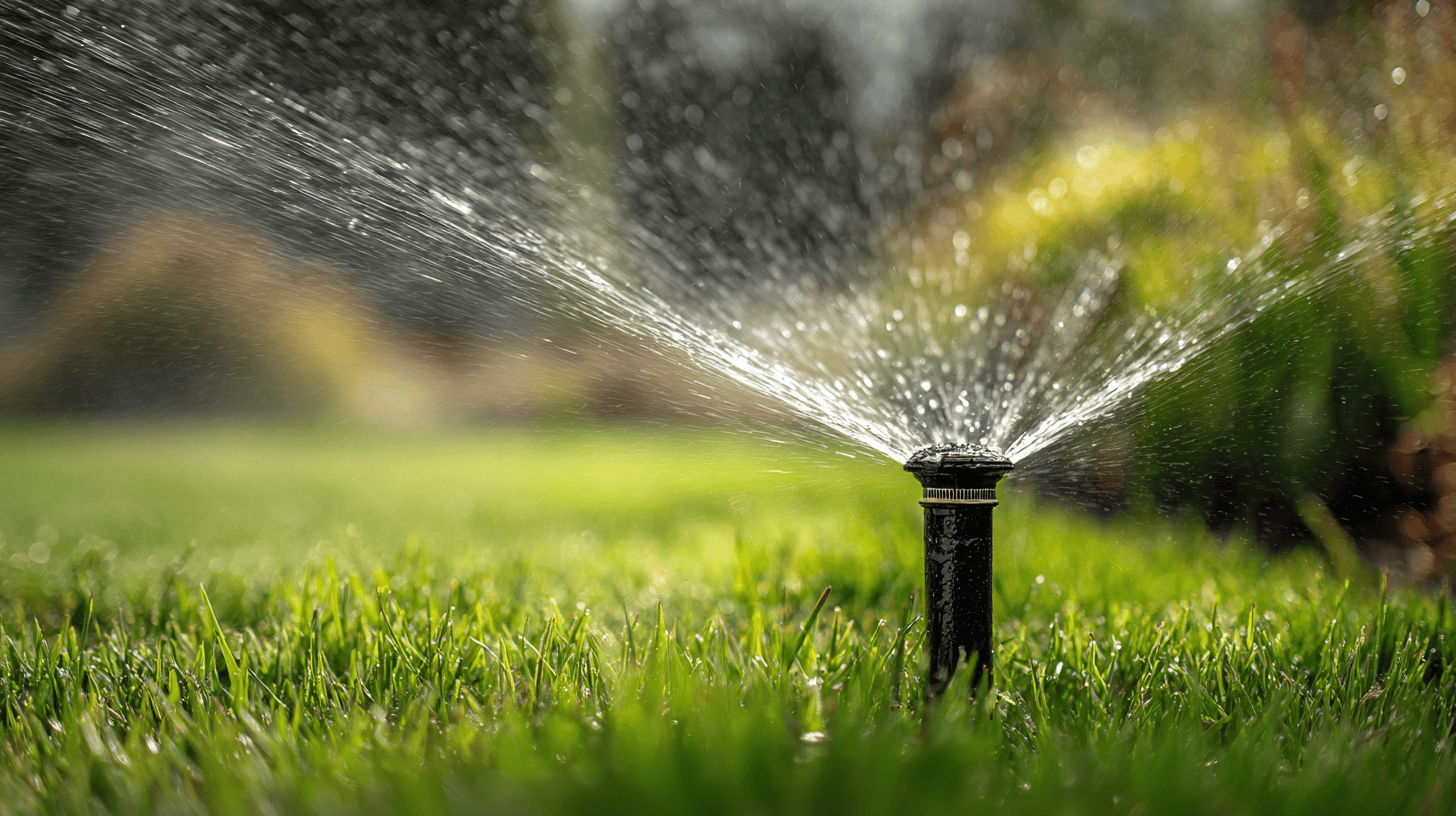
Appropriate sprinkler maintenance can greatly improve system efficiency, making sure optimal water circulation throughout the landscape. Regular checks and modifications avoid typical issues such as clogged up nozzles and misaligned lawn sprinkler heads, which can lead to uneven watering. This not just saves water but also advertises much healthier plant growth and lowers the danger of illness triggered by over-saturation. Additionally, maintaining a consistent schedule for assessments enables for timely detection of leakages and other malfunctions, ultimately prolonging the life-span of the system. The outcome is a more effective irrigation option that lessens waste and maximizes efficiency. By prioritizing maintenance, building owners can attain a lavish, vibrant landscape while taking advantage of lowered water bills and energy intake.
When to Call an Expert for Sprinkler Repair
 When should one consider getting the assistance of a professional for lawn sprinkler repair service? Homeowners need to seek professional assistance when faced with consistent problems that are past their knowledge. Indicators such as irregular watering, constant leaks, or busted sprinkler heads can indicate underlying problems that need specialized expertise and devices. Additionally, if the system is not responding to repair work or modifications attempted by the homeowner, it might be time to call an expert.
Professional technicians can diagnose intricate issues, such as electrical breakdowns or underground pipeline damages, guaranteeing a efficient and accurate repair work. Furthermore, they can offer useful suggestions on system upgrades and maintenance, eventually enhancing the long-term performance of the lawn sprinkler system. Sprinkler Repair. By recognizing these signs, property owners can save time and cash, avoiding further damages and guaranteeing their irrigation system works effectively
Regularly Asked Questions
Exactly how Usually Should I Change My Sprinkler System Elements?
Lawn sprinkler components should normally be replaced every 5 to 10 years, depending on usage and ecological elements. Normal examinations can assist identify issues early, ensuring excellent performance and durability of the system.
Can I Repair My Lawn Sprinkler in Winter Months?
Yes, a lawn sprinkler system can be fixed in winter months, yet it's critical to think about climate condition. Frozen parts might complicate repair services, so correct preventative measures and strategies need to be employed to stay clear of additional damage.
What Are Indications of a Failing Lawn Sprinkler Controller?
Indicators of a stopping working lawn sprinkler controller consist of irregular watering schedules, failing to reply to hand-operated commands, irregular zone activation, and mistake messages on the screen. Observing these signs can suggest the requirement for repair work or replacement.
Exist Eco-Friendly Sprinkler Repair Service Options Available?
Yes, green sprinkler repair service alternatives exist, including drip watering systems, rainwater harvesting, and smart controllers that optimize water use. These services advertise sustainability while successfully preserving landscapes and conserving water resources for environmental advantages.
How Do Climate Condition Impact Sprinkler Performance?
Climate condition substantially affect lawn sprinkler performance; severe warm can enhance dissipation, while hefty rain might result in oversaturation (lawn sprinkler repair). Additionally, wind can create uneven water distribution, affecting the overall performance of the watering system
Various types of sprinkler here systems exist, such as drip irrigation, which supplies water straight to the plant origins, and spray systems, which disperse water over a larger area. Proper sprinkler maintenance can significantly boost system effectiveness, guaranteeing perfect water distribution across the landscape. They can give important advice on system upgrades and maintenance, eventually improving the long-lasting efficiency of the sprinkler system. Yes, a lawn sprinkler system can be repaired in winter months, however it's important to take into account weather problems. Yes, environmentally friendly sprinkler repair alternatives exist, including drip irrigation systems, rainwater harvesting, and wise controllers that optimize water usage.